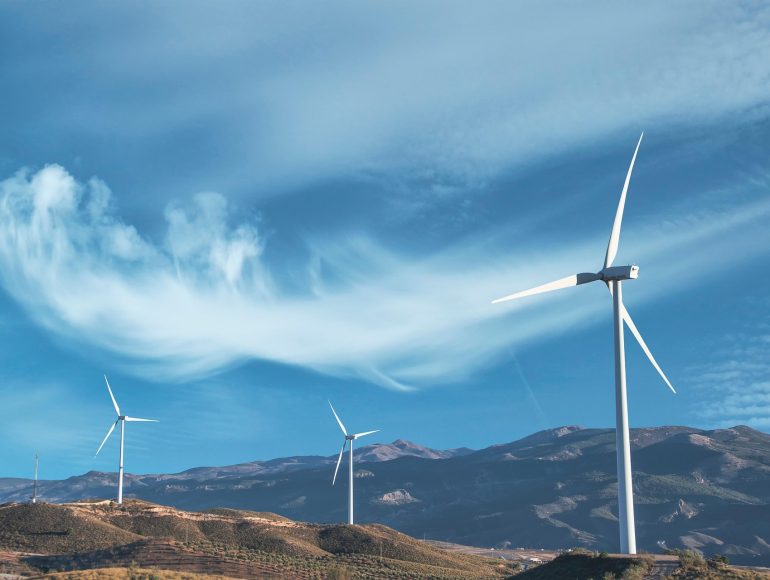

Powering South Asia's Clean Energy Future.

A collaborative hub for innovation, knowledge sharing,
and energy solutions.

As per 2025 reporting periods

Fossil vs Non-Fossil Fuel Share

Fossil

Non-Fossil

As per 2025

Energy Scenario Overview

*RE includes small hydro **Only Large/Conventional hydro

Reporting periods:

  • Financial years for South Asian countries vary from 1st April to 31st March, 1st July to 30th June, 16th July to 15th July, 1st January to 31st December.
  • In order to ensure uniformity in the data representation data has been presented as a calendar year for all countries.
  • For those countries that do not have a 1st January to 31st December reporting period, apportionment has been carried out.
  • Monthly data has been corroborated wherever available.

Areas of work

Transforming Energy Scenario In
South Asia

Energy Transition

Energy Transition

Accelerating Renewable Energy Transition in South Asia for a Sustainable Future.

Energy Access

Energy Access

Addressing Energy Poverty and Ensuring 100% Clean, Affordable Energy in South Asia.

Clean Air

Clean Air

Improving Air Quality and Promoting Cleaner Emissions in South Asia.

Energy & Climate Updates

Energy & Climate Updates

Energy and climate insights.
Climate Finance

Climate Finance

Access and availability of climate finance is a critical enabler of South Asia’s energy and climate transition, given the region’s large population, development needs, and growing climate risks. South Asia is one the fastest-growing regions in the world and faces rising energy demand and rapid urbanisation, which increase emissions while also intensifying vulnerability to climate impacts. More frequent and severe climate-related disasters place mounting pressure on communities, ecosystems, and economies, making sustained investment in mitigation, adaptation, and resilience essential.


Recent global climate negotiations have renewed momentum around climate finance, but the form and accessibility of this finance remains a challenge. For South Asia, climate finance must move beyond a traditional loan-based approach which adds to already existing debt burdens. Greater emphasis is needed on grants and other non-debt-creating instruments that allow countries to pursue development and climate action in parallel. Tracking climate finance flows and instruments helps assess whether financial systems are effectively mobilising resources at the scale and terms required to support a just, resilient, and people-centric transition in South Asia.

Per Capita

Power Consumption

Per capita electricity consumption is the amount of electricity used per person in a region. It also acts as an indicator for energy security.


The per capita electricity consumption in the South Asian region ranging from 184 kwh (Afghanistan) to 1327 kwh (India), is fairly lower than the global average which is 3,494 kwh in 2022. Bhutan is the exception, being an energy surplus country, which almost matches this global average at 3,214.25 kwh.


Per capita electricity consumption is a key indicator for tracking the energy transition in South Asia, as it reveals not only how energy systems are evolving but also who is able to access and use electricity. Low per capita consumption could potentially reflect persistent challenges related to access, affordability, and reliability, pointing to gaps in energy security and unmet demand for clean energy services. Across the region, significant differences between countries highlight uneven progress and underlying structural constraints. In the context of the energy transition, these trends are critical as South Asia must expand electricity use to support development and improved livelihoods, while ensuring that new demand is met through clean, affordable, and reliable sources.

Source: World Bank

Per Capita

Power Consumption

Per capita electricity consumption is the amount of electricity used per person in a region. It also acts as an indicator for energy security.
 
The per capita electricity consumption in the South Asian region ranging from 184 kwh (Afghanistan) to 1327 kwh (India), is fairly lower than the global average which is 3,494 kwh in 2022. Bhutan is the exception, being an energy surplus country, which almost matches this global average at 3,214.25 kwh.
 
Per capita electricity consumption is a key indicator for tracking the energy transition in South Asia, as it reveals not only how energy systems are evolving but also who is able to access and use electricity.
Source: World Bank
 Low per capita consumption could potentially reflect persistent challenges related to access, affordability, and reliability, pointing to gaps in energy security and unmet demand for clean energy services. Across the region, significant differences between countries highlight uneven progress and underlying structural constraints. In the context of the energy transition, these trends are critical as South Asia must expand electricity use to support development and improved livelihoods, while ensuring that new demand is met through clean, affordable, and reliable sources.

As per 2024

Air Quality Index

Good

Satisfactory

Moderate

Poor

Very Poor

Severe

NA
Data for December 2025 is an average of 25 days up to December 25th.
Data for March to June and August is not available for Delhi.

Partner

Organizations

Our Blog

Latest Articles

Stay informed with fresh perspectives and research – our latest articles unpack the evolving energy transition across South Asia and beyond. From analyses of breakthrough clean-tech trends to deep dives into policy innovations, climate finance strategies, and equitable transitions, each piece brings rigor, insight and urgency to the conversation. Dive into the newest thought leadership that’s shaping how we power a cleaner, more
resilient future.